


Two Easy Ways to Start Earning Rewards!
Become a member today! Members-only pricing and offers, personalized care notifications, Vital Care points back on every purchase and more!
 Become a credit card member today!
Earn 2X Pals Rewards points at Petco
when you use Petco Pay!APPLY NOWLearn More About Petco Pay Benefits
Can Dogs Eat Apples? Yes — With One Exception
Published on July 18, 2024
Updated on June 12, 2026

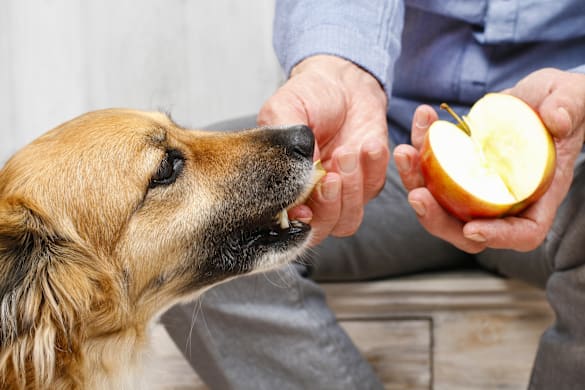
Do you have questions about whether you should let your dog eat apples? We can help! Visit Petco for answers to these & other questions!
Yes, dogs can eat apples (but not the seeds). Before adding any new food to your pup’s diet, however, consult your vet to ensure it’s nutritionally appropriate for your pet.
Health benefits of apples for dogs
Are apples good for dogs? The answer is yes.
Some of the benefits your dog may receive from eating apples as snacks or treats include:
- Low in calories, so feeding them as an occasional treat shouldn’t negatively impact your pet’s weight, just like cucumbers
- Excellent source of vitamins A and C
- Excellent source of calcium and phosphorus
- Excellent source of fiber, which can act as a prebiotic that may help support your dog’s gastrointestinal function. Too much fiber, however, can lead to diarrhea, so offer apples in moderation.
- At 86% water, apples can be a great source of hydration
- Apples can be part of your dog’s dental care routine, along with daily teeth-brushings, dental chews and regular dental checkups at the vet.
How to feed apples to your dog
When served appropriately, apples can be a nutritious and delicious snack for your dog. To prepare, wash the apple and remove the core, seeds and stem. You can peel the apple if you want, but unpeeled is also acceptable. Cut the apple into slices or chunks that are an appropriate size for your pup.
» MORE: Learn about fruits and vegetables that dogs can and cannot eat.
Featured dog food and treats with apples
Frequently Asked Questions
Can dogs eat apples every day? Apples are safe as an occasional treat, but they should make up no more than 10% of your dog's daily caloric intake — the same guideline that applies to all treats. Feeding apples too frequently can contribute excess natural sugar and fiber to your dog's diet, which may lead to digestive upset over time. https://wsava.org/global-guidelines/global-nutrition-guidelines/
Are apple seeds toxic to dogs? Yes — apple seeds contain amygdalin, a compound that releases cyanide when metabolized. While a dog would need to consume a large quantity of seeds to reach a dangerous dose, it's best to remove all seeds, the core and the stem before offering apple slices to your dog. When in doubt, contact your veterinarian or the ASPCA Animal Poison Control Center. https://www.aspca.org/pet-care/animal-poison-control
How much apple can a dog eat? A slice or two is a reasonable serving for most dogs, adjusted for your dog's size. Treats — including fruit — should never exceed 10% of your dog's total daily diet. If your dog has diabetes, obesity or a sensitive stomach, check with your veterinarian before introducing apples, since even natural fruit sugars can affect blood glucose and digestive health. https://wsava.org/global-guidelines/global-nutrition-guidelines/
Can dogs eat applesauce? Plain, unsweetened applesauce in very small amounts is generally not harmful, but many commercial applesauces contain added sugar, artificial sweeteners (including xylitol, which is toxic to dogs) or other additives that make them unsafe. Always read the ingredient label carefully and consult your veterinarian before sharing applesauce with your dog. https://www.aspca.org/pet-care/animal-poison-control
Can dogs eat apple skin? Yes — unpeeled apple slices are perfectly acceptable for most dogs. The skin contains additional fiber and antioxidants. However, always wash the apple thoroughly first to remove pesticide residue, and introduce apple skin gradually if your dog has a history of digestive sensitivity. https://sites.tufts.edu/petfoodology/
What should I do if my dog ate apple seeds or the core? If your dog consumed only a small number of seeds, monitor him for signs of distress such as vomiting, lethargy or difficulty breathing. If your dog ate a large quantity of seeds or the entire core, contact your veterinarian or the ASPCA Animal Poison Control Center (888-426-4435) right away for guidance. https://www.aspca.org/pet-care/animal-poison-control
This article was created with assistance from AI tools and reviewed for accuracy by Petco's content team.


FAQs about feeding your dog apples
Yes, dogs can eat apples. However, they cannot eat the seeds. Consult your vet for more information about your dog's unique dietary needs.
They can. Red, green or golden, the type doesn’t matter. An apple of any variety can make a wholesome treat for your dog.
No. Apple seeds contain trace amounts of cyanide, which is toxic for dogs to consume. Remove all seeds before serving the fruit to your pup.
Yes. Peeling the apple cuts down on the fiber, however, which may help ease digestion for dogs with sensitive stomachs.
Apples contain sugar and should be served in moderation, but a slice or two can make a great occasional snack.. Start small when giving your dog any new treat or snack, and remember that the calories from treats should make up no more than 10% of their daily caloric intake. If your pup has diabetes, apples won’t be the best choice for them.
Adding a variety of good fruits may be better than serving apples every day. Rotate between other dog-appropriate fruit treats like bananas, watermelon and carrots.
Yes. Once the stem, core and seeds have been removed, an apple is best served raw in appropriately sized slices or chunks. Other options, like applesauce, often have added sugars that aren’t healthy for your dog to consume.
Apples can be a great snack for dogs, but their high fiber content can upset sensitive stomachs. If this is the case for your dog, try peeling the apple before serving. If digestive issues persist, ask your vet about other snack options.
No. The middle of an apple is firm and challenging to chew and may present a choking hazard if swallowed. Remove the core, stem and seeds before chopping the apple into chunks or slices to give to your dog.