Two Easy Ways to Start Earning Rewards!
Become a member today! Members-only pricing and offers, personalized care notifications, Vital Care points back on every purchase and more!
 Become a credit card member today!
Earn 2X Pals Rewards points at Petco
when you use Petco Pay!APPLY NOWLearn More About Petco Pay Benefits
Aquatic Fundamentals Aquarium Stands 40 Gallons and Up
Get It Today




Related Searches
Related Articles & Questions
 Product Guides
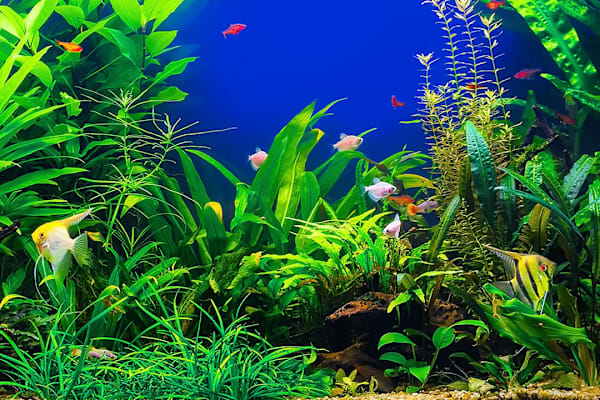
Best Small Fish for Small Tanks | Nano Aquarium Guide
Small, AKA “Nano” tanks have grown in popularity over the past couple years and continue to gain momentum. Find out if a mini aquarium is right for you.
Updated on July 17th, 2026
- Care Sheets
Aquatic Pet Safety: Keep Your Home Aquarium Pets Healthy & Safe
Learn how to safely handle your aquatic life to avoid toxin & bacterial exposure. Find aquatic life care supplies at your neighborhood Petco pet care center.
Updated on October 23rd, 2025
- Care Sheets
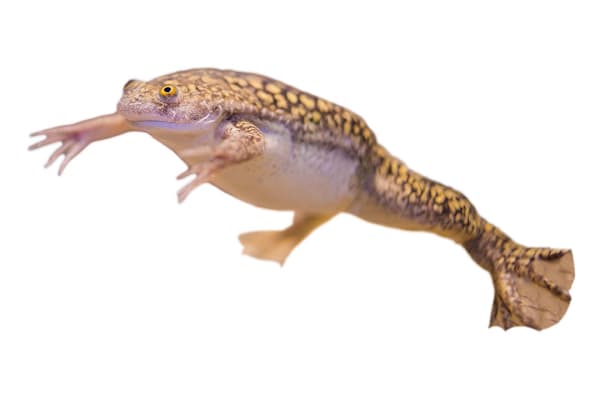
Freshwater Amphibian Care: Ultimate Tank, Food & Habitat Guide
Learn how to care for Freshwater Amphibians, recommended diet and habitat setup. Find the right food, supplies and equipment at your neighborhood Petco.
Updated on April 9th, 2026
- New Pet
Best Fish for Beginners: Top Freshwater Picks
Some fish species generally do well in smaller aquariums, are more adapted to aquarium life, & can be slightly more forgiving with water quality fluctuations.
Updated on June 19th, 2026
- Care Sheets
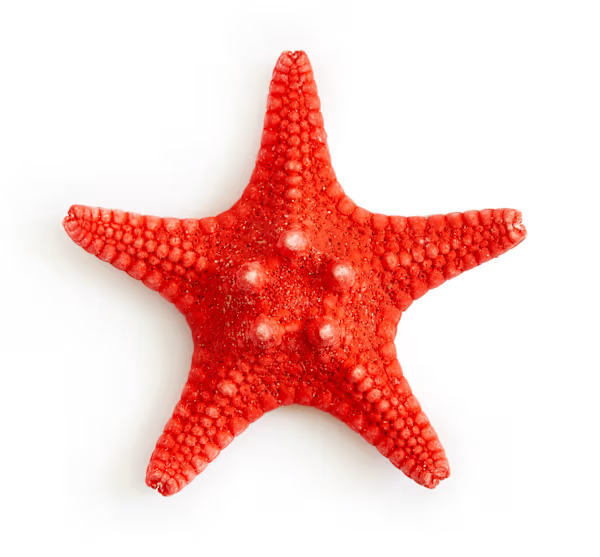
Starfish Care: Master Tank, Food & Compatibility for Happy Pets
Learn how to care for a starfish, recommended diet and aquarium setup. Find starfish for sale, supplies and equipment at your neighborhood Petco.
Updated on April 9th, 2026
- Vet Q & A
Why do my fish keep dying in my newly set up aquarium?
It is possible the tank has not cycled properly which results in high ammonia and nitrite levels which can kill fish. Allow the tank to run, without fish, for at least 4-6 weeks. During this time, use a home test kit or submit a water sample for testing every few days. The local Petco may do this for free or for a small fee. What you are looking for is to have ammonia and nitrites at 0 ppm and nitrates at 20ppm or less. pH can hover around 7 for most community fish. Avoid large, rapid swings in pH though. What is happening in the tank during this time is that beneficial bacteria are populating the gravel/substrate and the filter. These bacterial populations are responsible for the Nitrogen Cycle. This cycle breaks down wastes from fish, uneaten food and plant matter into by-products that are filtered out or dissipate. You can "cycle" a tank with fish, however this increases the risk of loss. Once your tank has cycled, you can add fish. You will still need to monitor water chemistry and perform partial water changes regularly. Use only conditioned water that is temperature matched to prevent stress or shock. You will also need to vacuum the gravel regularly and rinse the filter media. Never use tap water to rinse. Use a bit of tank water to protect bacterial populations in the sponge.
Updated on September 24th, 2025
- Vet Q & A
What fish are suitable for a 2.5 gallon bowl, and is it humane?
It's not really recommended to keep fish in bowls with no filtration. And 2.5 gallons isn't really big enough for much. A Beta fish may possibly do ok in it if you can maintain it. But I would recommend more doing plants and a few snails or ghost shrimp type of animals in a bowl that size.
Updated on September 24th, 2025
- Home & Habitat
Setting up a 55-gallon tank: How much substrate for a 3-inch bed?
An easily remembered rule of thumb is to plan on one pound of substrate per gallon to make a 1 inch bed. Using this formula, a 3 inch bed in a 55 gallon tank would need approximately 165 pounds of substrate. It is always recommended to get extra to have on hand in case you need it for future use. If you can clarify what is meant by "never used abstract can u buy now and use late?" in a new post, that portion can then be addressed.
Updated on September 24th, 2025
- Vet Q & A
Why are my angelfish and red tail shark sick in their new tank?
Check the water chemistry and temperature. Use a home test kit or submit a water sample to test fro elevated ammonia or nitrite levels. Most pet stores will do this for free or for a small fee. Partial water changes can be done, if indicated, to stabilize chemistry and improve or maintain water quality. Ideally, you want 0 ppm ammonia and nitrites with nitrates at 20 ppm or less in a non-planted tank or 40 ppm or less in a planted tank. Use only aged or conditioned water that is temperature matched to prevent stress or shock. You'll need to keep the temp at the upper limits for Red Tails in order to keep the Angelfish comfortable. That would be in the 78F to 80 F range. Both have similar pH requirements, 6.8 to 7.5. You can fast the Angel for 2-3 days then feed bits of cooked, shelled green peas. This will usually resolve constipation and bloating. Pristine water quality may resolve the patch on your shark. Recommending a medication without more information or a clear image would be risky to the stability of the tank's nitrogen cycle. You can use plain aquarium salt (NOT table or Epsom salt) as a general tonic. It will reduce stress, improve gill function, may treat minor infection and aid in recovery. Dissolve 1 tablespoon per 5 gallons of water in a cup of tank water and gently pour it into the tank. Treat for 10-14 days then reassess the condition. A note on tank size: Although the two fish may be fine in a 15 gallon tank now, you will likely need a larger tank as they mature. Red Tails can reach 6-7 inches and Angels can reach 6-8 inches. At adult size, a 15 gallon tank will be insufficient and could lead to some aggression from either fish.
Updated on September 24th, 2025
- Home & Habitat
What's the best cheap gecko for a beginner with a 20-gallon tank?
Leopard geckos are great "starter" reptiles. They don't require special lighting (UVB) like other reptiles. A 20 gallon tank is big enough for one. Add a heat source, hides and a water bowl and you are good to go. You can review gecko care at the links below. http://www.reptilesmagazine.com/Care-Sheets/Lizards/Leopard-Gecko/ http://www.anapsid.org/leopardgek.html
Updated on September 24th, 2025