Two Easy Ways to Start Earning Rewards!
Earn 2X Pals Rewards points at Petco
when you use Petco Pay!
Get It Today
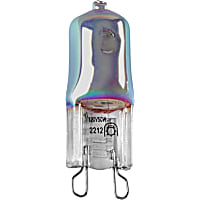
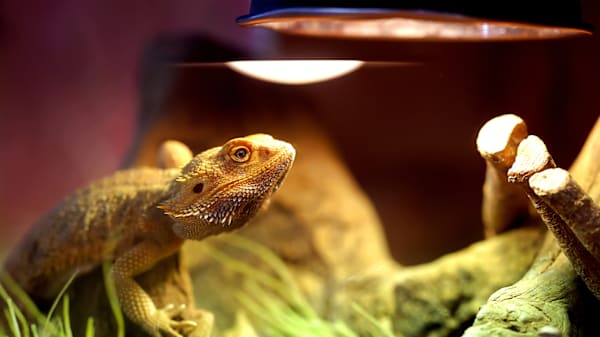
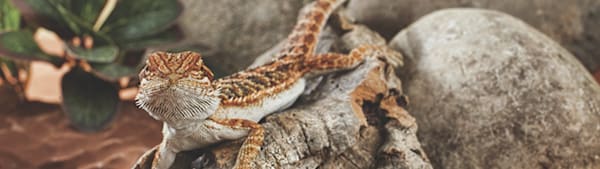
Learn the importance of UVB light for your reptiles and the right reptile lights for your pet’s habitat.
Updated on July 17th, 2026
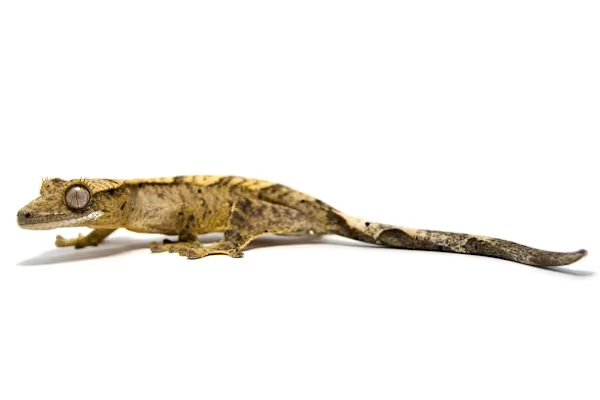
Learn how to take care of your Crested Gecko, tank size, diet & habitat setup. Find the right food, supplies and equipment at your neighborhood Petco.
Updated on December 22nd, 2025
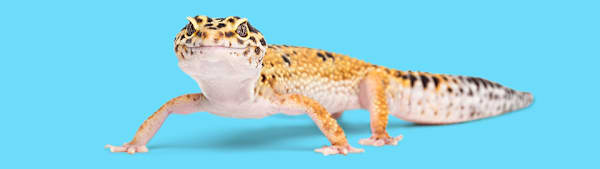
Do you have questions about why your gecko isn’t eating? Petco has the answers. Visit us to learn about leopard gecko dietary needs and more.
Updated on June 19th, 2026
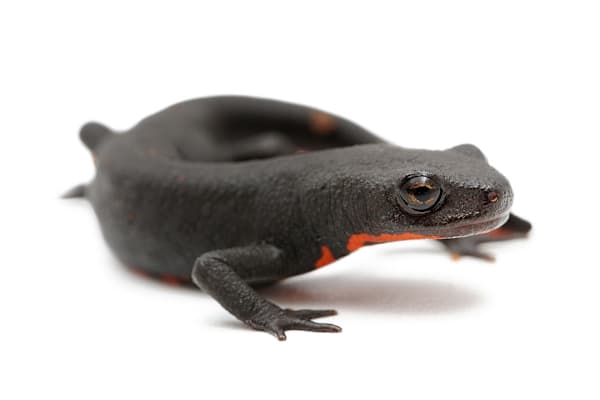
Learn How to Care for a Salamander & Newts, recommended diet and habitat setup. Find the right food, supplies and equipment at your neighborhood Petco.
Updated on April 9th, 2026
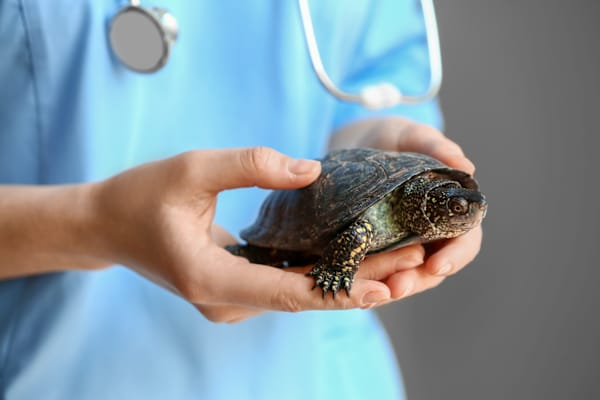
Search Petco for information about metabolic bone disease, which is fairly common in many reptiles. Use our tips to help keep your reptile comfortable.
Updated on June 19th, 2026
Most species of geckos, being nocturnal, do not require UVB lighting. Being cold blooded though, they do need a heat source. Your body temp will not be sufficient for good health. Replace the light/heat source with an appropriate bulb. You can easily buy one online or at most pet stores. Low temps will stress him which can lead to illness. Low temps also affect appetite activity and digestion. Sexing geckos is fairly easy. An adult male will have a bulge behind the vent that is very noticeable. You will also see a row of femoral pores shaped like a "V" in front of the vent in male geckos. Since he is going into a shed, provide a moist hide in the enclosure and/or increase the humidity temporarily. These two species look similar but there are differences. To help with identification, closely exam your gecko. Leos will lose their bands and develop spots, hence the name, as they mature. They also get much bigger than banded geckos. Leos also have rougher, bumpier skin as opposed to a banded gecko's smoother skin. If you post a picture of him on his profile, we can possibly determine what species of geckos you own.
Updated on September 24th, 2025
Thanks for reaching out. Heat rocks are bad. One recommendation is to utilize under tank heat as the background heat source, keeping the environment at 70-75 F 24-hours a day, then an overheat lamp can be set up as a timer to turn on for 12-14 hours/day and raise the day time heat to the appropriate level. Timers work great for the UVB bulb and extra heat. Good luck.
Updated on September 24th, 2025
It is okay for nighttime temps to drop a bit. Make sure they don't go lower than the low 70s F. Consider a thermometer at each end of the enclosure to verify temperatures. If necessary, a 60 watt CHE would probably heat or maintain temps above the low 70s F in a small tank overnight. You would need to test it out. Save the receipt in case you need to return it or buy a 100 watt CHE and move it farther away from the tank.
Updated on September 24th, 2025
A heat lamp isn't necessary unless the room where the cage is located is cold. Cresties do just fine at room temperature. A UVB light source isn't necessary either as long as you feed a diet containing adequate levels of Vitamon D3. That said, either won't harm him and it is a matter of personal preference. Be sure to monitor cage temps to make sure they don't go too high. There was no image attached to this question. Age can be difficult to determine if you don't have a hatch date. The reason being that growth can be dramatically affected by diet and environment. Contact the PetSmart where he was purchased. They should have records from the source/breeder which should include a hatch date or age.
Updated on September 24th, 2025
Most house geckos are nocturnal and do not require UVA/UVB lighting, but it won't harm them. Ideally, Dartzilla should be examined by your veterinarian or a vet experienced in treating reptiles to diagnose illness or injury. The paralysis may be compounded by constipation, especially since there has been no stool recently. Soak Dartzilla in a warm 50/50 solution of water and unflavored Pedialyte for 15-20 minutes. This will provide warmth and hydration. Both can aid in digestion and promote GI motility. A gentle abdominal massage, front to back, during the soak may stimulate defecation. Offer appropriately sized prey, no bigger than the space between his eyes. Gut load them for 24 hours prior to offering to maximize nutritional value. You can use a quality fish flake or high protein baby cereal for this. Rep-Cal Herptivite and Rep-Cal Calcium with Vitamin D3 are the gold standards for vitamin and mineral supplementation. You can find them online or in the local Petco. Follow label directions for dusting prey.
Updated on September 24th, 2025