Two Easy Ways to Start Earning Rewards!
Earn 2X Pals Rewards points at Petco
when you use Petco Pay!
Get It Today
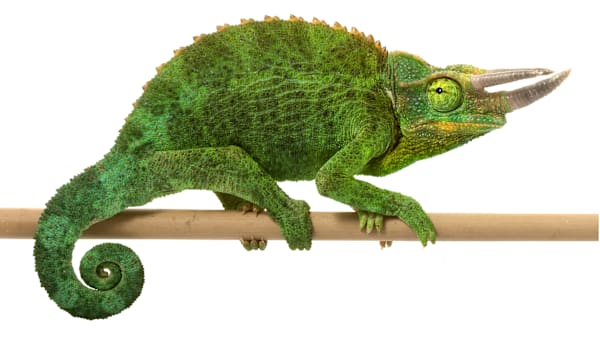
Learn how to care for Jackson's Chameleons, recommended diet & habitat setup. Find the right food, supplies & equipment at your neighborhood Petco.
Updated on April 9th, 2026
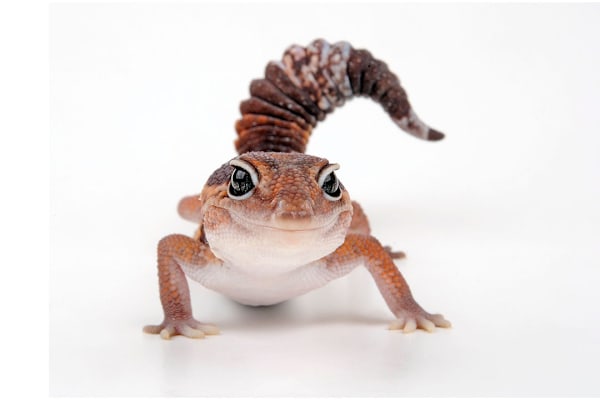
Learn how to care for tropical geckos, recommended diet & habitat setup. Find the right food, supplies & equipment at your neighborhood Petco.
Updated on April 9th, 2026
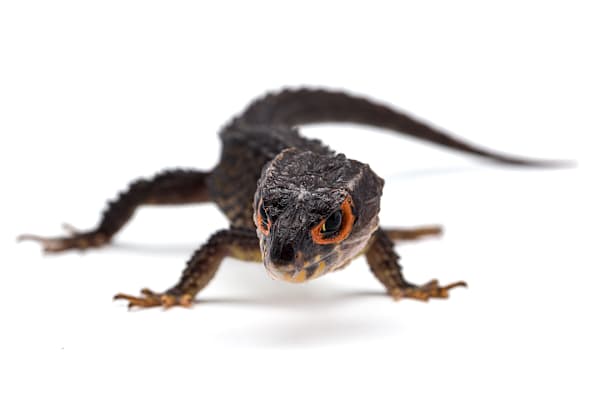
Learn how to care for Red-Eyed Crocodile Skink, recommended diet & aquarium setup. Find the right food, supplies & equipment at your neighborhood Petco.
Updated on April 9th, 2026
Learn how to care for an Arid Skink, recommended diet and habitat setup. Find the right food, supplies and equipment at your neighborhood Petco.
Updated on April 9th, 2026
Whether you temporarily lose access to AC or are experiencing unexpected temperature changes, you can use these tips to keep your reptiles happy and healthy.
Updated on August 14th, 2025
Check the temperature in his enclosure. Low temps can affect appetite in reptiles. If he isn't eating or not exposed to high quality UVB lighting, he can become calcium deficient which could account for the tremors. If he is less than 30 inches long, confirm a basking temp of around 115 F. If he is bigger, bump basking temp to between 125 F and 135 F. Multiple lower wattage lights over a larger area are recommended over one high intensity light source. Try to get him to eat and offer a calcium supplement. If you can get a liquid supplement, that would be best right now. Zoo Med and Fluker's offer such a supplement.Soak him in a warm 50/50 solution of water and unflavored PediaLyte to treat or prevent minor dehydration. if he doesn't eat or if the tremors worsen, have him examined by your veterinarian or a vet experienced in treating reptiles as soon as possible.
Updated on September 24th, 2025
Use a background to block his view. This may prevent glass surfing or nose rubbing as well as provide more privacy/security. Again, check the temps in his enclosure to make sure it is species appropriate. Offer a variety of crickets, mealworms, dubia roaches, silkworms and wax worms. Gut load prey for 24 hours prior to offering. Dust appropriately with vitamins and minerals regularly. He may also benefit from a soak in a warm 50/50 solution of water and unflavored PediaLyte. If his appetite does not return after adjustments to environment and diet, have him examined by your veterinarian or a vet experienced in treating reptiles. Submit a stool sample to diagnose intestinal parasites or bacterial overgrowth.
Updated on September 24th, 2025
Check the temperature in the cage. Make sure it isn't too high or too low. Soak Cheech in a warm 50/50 solution of water and unflavored PediaLyte. This will provide warmth and hydration. She should be seen by your veterinarian or an experienced herp vet as soon as you can to diagnose injury or infection. You can find a qualified vet here: http://arav.site-ym.com/search/custom.asp?id=3661
Updated on September 24th, 2025
To be 100% safe you shouldn't handle him as yes they can harbour many viruses and bacteria. No the pet shop wont test him for anything unless he is unwell. Many of the dangerous organisms to you will be normal for tye chameleon. If you do want to handle him your safest although not risk free option would be to completely avoid cleaning the tank or touching faeces. You can hold him but only in your hands and wash them thoroughly afterwards.
Updated on September 24th, 2025
Thanks for reaching out about Zig. Try offering a meat Gerber's baby food via a syringe, but does sound like you need some veterinary assistance. Young animals often have intestinal parasites or infections, metabolic disorders, malnutrition, and other causes. Check environmental parameters and correct problems. These lizards should have a warm area in the 90-100 F range, but not allowed to get below 70 F at night. Just because one is doing well, doesn't mean it is not affected. Good luck.
Updated on September 24th, 2025