Two Easy Ways to Start Earning Rewards!
Earn 2X Pals Rewards points at Petco
when you use Petco Pay!
Get It Today
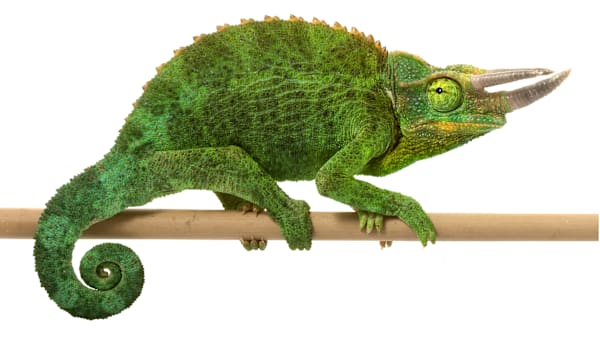
Learn how to care for Jackson's Chameleons, recommended diet & habitat setup. Find the right food, supplies & equipment at your neighborhood Petco.
Updated on April 9th, 2026
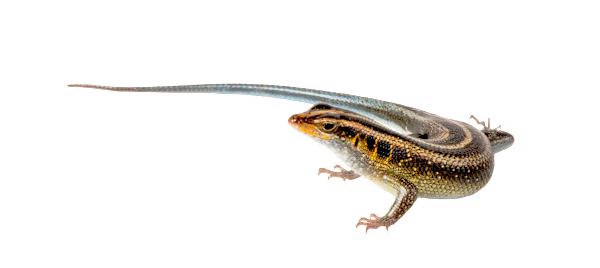
Learn how to care for an Arid Skink, recommended diet and habitat setup. Find the right food, supplies and equipment at your neighborhood Petco.
Updated on April 9th, 2026
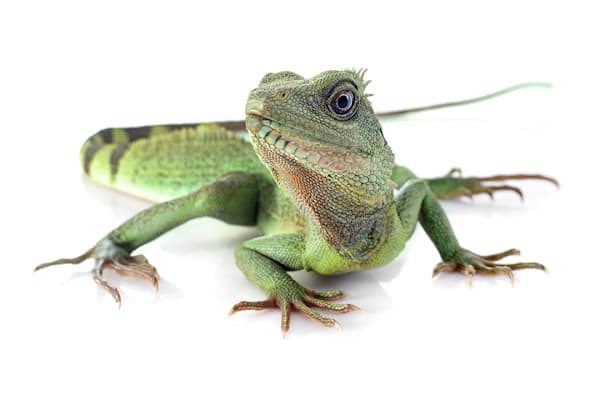
Learn how to take care of Water Dragons, recommended diet and habitat setup. Find the right food, supplies and equipment at your neighborhood Petco.
Updated on April 9th, 2026
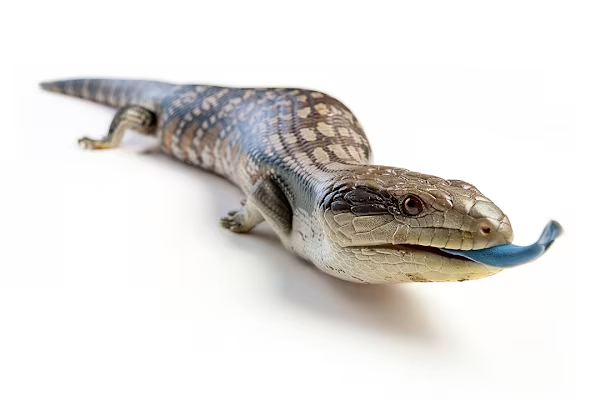
Learn how to care for Blue-Tongued Skink, recommended diet and habitat setup. Find the right food, supplies and equipment at your neighborhood Petco.
Updated on April 9th, 2026
Learn how to thaw frozen mice for feeding time. Find out how to safely prepare and clean up after frozen meals at Petco.
Updated on December 16th, 2025
A proper diet for red-eared sliders includes a complete pellet, such as those made by ReptoMin, and dark leafy green vegetables. This can be fed once per day, and the amount should be based on how many pellets Cooper can eat in 5-7 minutes. This is just a guideline, and your veterinarian can help you to determine if this is appropriate based on Cooper's body condition score (i.e. whether she is overweight or not). For a heat lamp - photo 1 just looks like the dome, and there doesn't appear to be a bulb in it. The second lamp looks like it is a daytime only heat lamp - it is often beneficial to have a heat source that can be used during the day or at night, and if that is what you are looking for, I would recommend a ceramic heat bulb. If you are looking for only a daytime basking bulb, there are many brands that would be appropriate. The key words that you should look for are "daytime basking bulb." For watts - it depends on how far the bulb is away from your turtle - there are some brands that have a chart on the side of the box that will give you distances and temperatures that correlate with the distance. This information, combined with your desired temperature for the basking area will help you to decide on what wattage to get. I hope that gives you more information!
Updated on September 24th, 2025
The ReptiSun 5.0 UVB bulb will provide sufficient UVA/UVB lighting for an anole. Be sure it is not obstructed by glass or plexiglass and replace it every 6 months (it loses strength over time). Leonard should have 12-14 hours or lighting each day. The simplest way to ensure this is to place the tank light and UVB light on a timer. If temps drop below 65 F at night, you'll need a supplemental heat source for the enclosure. A ceramic heat emitter (CHE) will emit heat with no visible light so as to not disturb him at night. You can read more about anole care here: http://www.anapsid.org/anole.html
Updated on September 24th, 2025
Hi, For heat you could do a number of things e.g. place any incandenscent bulb above him, place other types of heaters near the tank etc. Please make sure that the temperature is not too high. As for food, this is more of a problem. If he's used to eating crickets it would be difficult to switch him at once to something else. I assume meal worms or otjer insects are also unavailable? You could very temporarily try some soft cat food but it may not work.
Updated on September 24th, 2025
Survey the area around the cage for any negative stimuli. This may include loud noises, strong vibrations, strong drafts or high traffic. Reduce or eliminate any if found. Confirm proper temperature. If it is too hot up high, he will move to cooler temps. Be sure to gut load prey for 24 hours prior to offering to maximize nutritional value. Dust with a calcium supplement as well as a multivitamin regularly. If the behavior persists, consider an exam with your vet or a vet experienced in treating reptiles to diagnose and treat illness or injury. You can review chameleon care a the link below. http://www.reptilesmagazine.com/Care-Sheets/Lizards/Panther-Chameleon/
Updated on September 24th, 2025
Ideally, a 10 gallon tank is the smallest enclosure that should be used for one anole. You will need a UVB light source as well as a heat lamp. The brown color is likely due to stress. The link below will provide a list of items required as well as information on basic care. http://www.anapsid.org/anole.html
Updated on September 24th, 2025